Stricter FEHB requirements from OPM aim to root out ineligible members
Starting in this year’s Open Season, agencies will be required to validate participant eligibility for a random sample of at least 10% of FEHB enrollments.

Starting in this year’s Open Season, agencies will be required to validate participant eligibility for a random sample of at least 10% of FEHB enrollments.
One federal office has turned to employee monitoring technology in recent years, and it's led to a major rift between workers and management.
Over the last three years, customer experience went from buzzword to reality. What’s next? How are agencies elevating the total experience, both for the public and for federal employees?
Join us for the Federal News Network CX Exchange, an exclusive two-day event April 23 and 24.
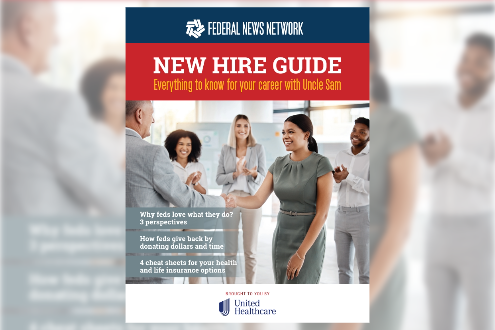
New to civil service? We created this guide to provide insights and pointers to first-time feds. Be inspired by careerists and also get pointers to make the transition to your new job as smooth as possible. (Pssst: It includes health and life insurance cheat sheets too!)
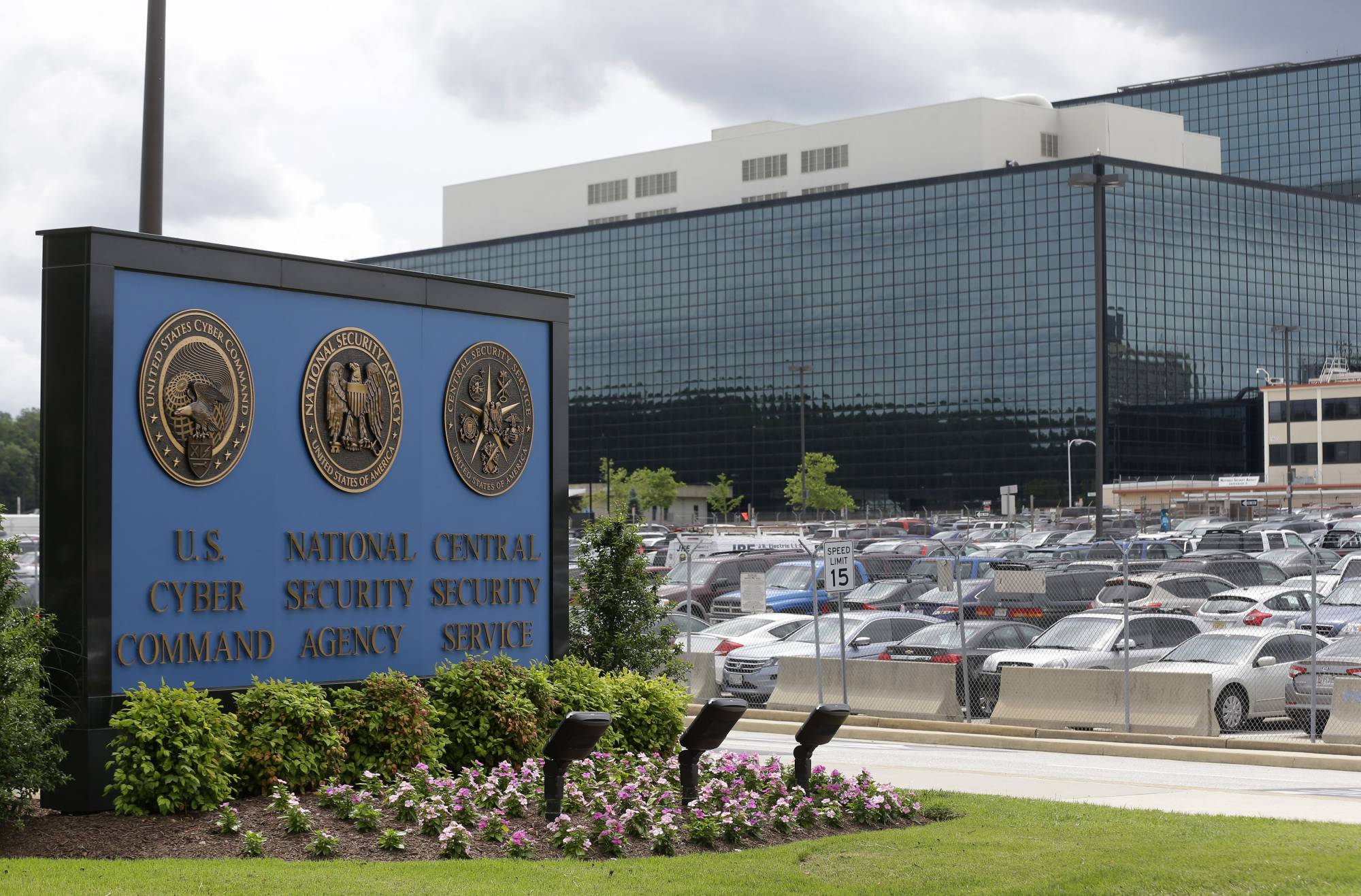
A CYBERCOM acquisition leader says she doesn’t want the command’s burgeoning buying program to be ‘stodgy and antiquated.’

The Department of Veterans Affairs and the Defense Department launched a new Electronic Health Record (EHR) at the Lovell Federal Health Care Center in Chicago.

“Having the ability to securely communicate and share information is fast becoming a top priority for federal agencies," said Mike Lentine of AWS.

Accountability, performance measurement, and the interplay between political appointees can get complicated.

Margaret Boatner, deputy assistant secretary of the Army for strategy and acquisition reform, said new approaches to buying software already are paying off.






Daily photos of things happening in and around the federal government.