9/11: A Government Changed
The Sept. 11 terrorist attacks forced the government to transform. The change has been both subtle and dramatic, encompassing everything from building security, to computer security, to how agencies hire and perform background checks. In the 10 years since that fateful day, the government also has created new things, including an entire agency. But maybe the biggest change has been the influx of federal employees inspired to serve. Federal News Radio evaluates the impact these changes have made on how the government meets this crucial mission and on the employees and contractors who are called upon daily to protect the homeland.
Information Sharing Environment ready for Act III of its development
The Information Sharing Environment has helped lead the improvement of federal, state and local terrorist-related data sharing since 2004. Kshemendra Paul, the ISE program manager, said his office is opening its "aperture" to include broader terrorism-related information.
Post-9/11, HHS learned how to answer states' needs
When terrorists destroyed the World Trade Center on Sept. 11, 2001, federal medical workers rushed to the scene. State officials weren't expecting the volunteers, and didn't know what to do with them. Ten years later, Department of Health and Human Services' preparedness and response officials say they now work better with states to prepare for and react to disasters.
OPM honors feds who died on 9/11
The Office of Personnel Management today remembered those who died in the attacks in New York and the Pentagon.
VIDEO: What's changed the most since 9/11?
Federal News Radio talked to people who work for — or used to work for — the government to get their take on what's changed the most since 9/11.
Ridge: DHS still a 'work-in-progress'
The Homeland Security Department has "unequivocally" made the country safer since 9/11, but DHS is still a "work-in-progress" with unfinished business, said Tom Ridge, the first Homeland Security secretary, in an interview with In Depth with Francis Rose.
Congressman calls for consolidated DHS oversight
The ranking member of the Homeland Security Committee said timing is critical as the committee prepares the DHS authorization bill.
GAO: Homeland Security 'still maturing'
Cathy Berrick, the managing director for homeland security and justice issues at GAO, joined the Federal Drive to discuss the latest progress report on the agency. This interview is part of Federal News Radio's ongoing coverage of "9/11: A Government Changed."
After 9/11, reorganization U.S. Coast Guard's ongoing mission
Coast Guard Commandant Adm. Robert Papp joined the Federal Drive to discuss the ongoing mission of the U.S. Coast Guard. His interview is part of Federal News Radio's ongoing coverage of "9/11: A Government Changed."
From the Pentagon on 9/11 to Afghan front lines
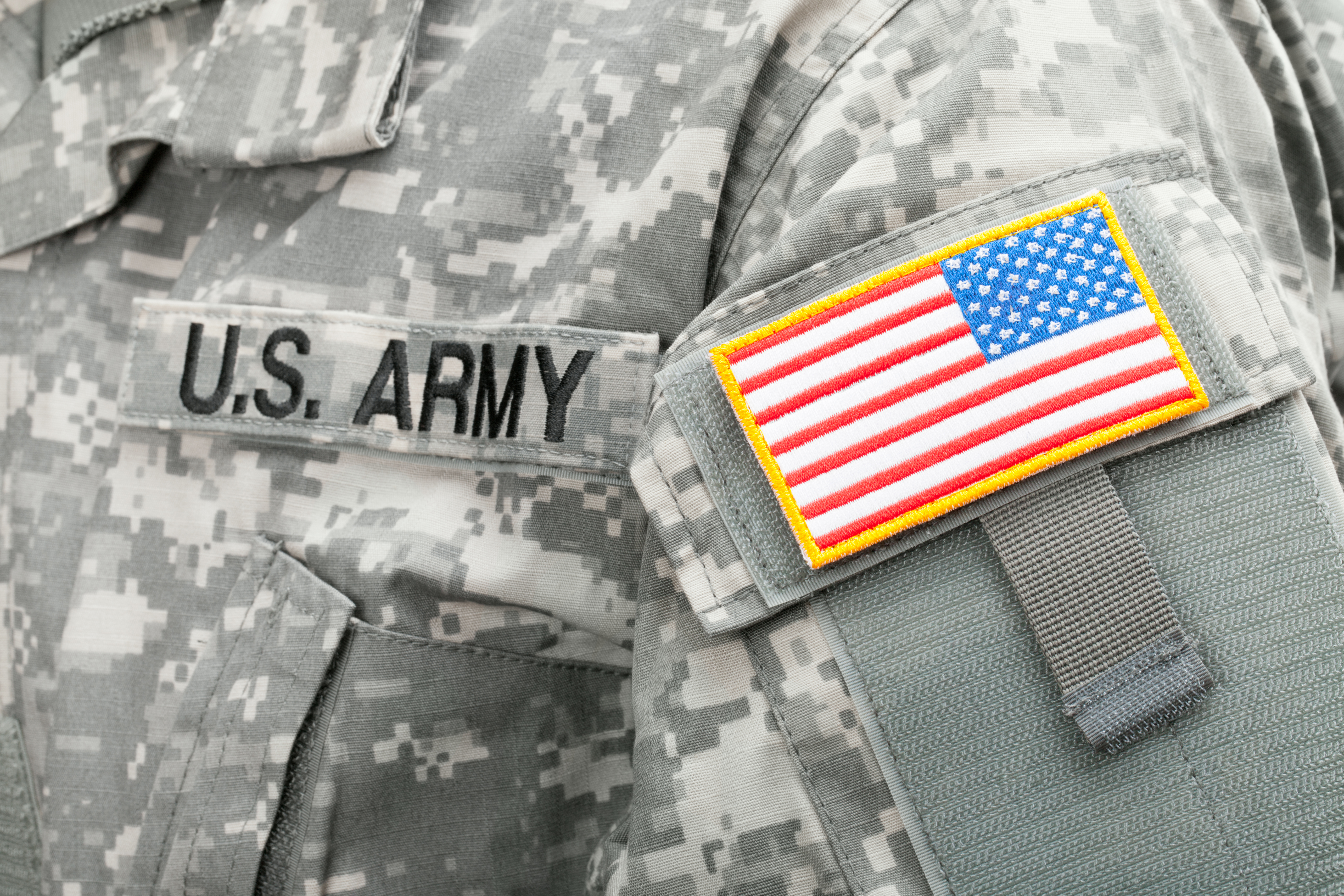
Army Col. Todd Key joined the Federal Drive to discuss how the military mission was galvanized after 9/11 as part of Federal News Radio's ongoing coverage of "9/11: A Government Changed."
Treasury adapts as terrorists change financing tactics
Al-Qaida is struggling to get money, thanks to international efforts to stop terrorism financing, Treasury Secretary Timothy Geithner said at a 9/11 anniversary event. He said today's terrorism threats require more creative measures and increased global cooperation.
With 108 Congressional bosses, DHS at oversight 'tipping point'
Nearly nine years after President Bush signed the bill creating the Homeland Security Department, more than 100 committees and subcommittees continue to hold oversight responsibilities for the agency. Current and former DHS officials say enough is enough and Congress should reorganize themselves. But Rep. Peter King (R-N.Y.), chairman of the House Homeland Security Committee, said he holds little confidence that will happen soon.
Eight years later, GAO finds DHS halfway there
An assessment of the Department of Homeland Security's transformation since its founding in 2003 finds major operational accomplishments and lingering management challenges. GAO released a status report to mark the 10th anniversary of the 9/11 attacks.
After 9/11, State's embassies balance security and aesthetics
The Sept. 11 attacks came years after a mandate to standardize security at embassies worldwide. The result was prison-like structures. The State Department is now trying to make more embassies appear more attractive and inviting without sacrificing security.
How 9/11 attacks impacted government contractors
Chris Bonin, the director of Homeland Security Solutions for government contractor CACI, joined the Federal Drive to discuss how contracting has evolved since 9/11. This interview is part of Federal News Radio's special series, "9/11: A Government Changed."
Transforming homeland security: The creation of DHS (chart)
Created in the aftermath of the 9/11 attacks, the formation of the Homeland Security Department involved a massive reorganization of the federal government. The chart represents the 22 agencies or offices from 12 different departments that were absorbed by DHS.
DHS aims to change history of lax acquisition oversight
Rafael Borras, DHS undersecretary for management, has implemented a major program review process to stave off acquisition problems. The board has reviewed and recommended fixes for problematic programs. Borras said the next step is a new decision support tool to bring together in one place all the performance information about the programs.
The post-9/11 DHS contracting industry
The aftermath of 9/11 and the massive government reorganization that created the Homeland Security Department in 2003 created new opportunities for government contractors.
Emergency preparedness in a post-9/11 world
Booz Allen Hamilton Marko Bourne, who previously served as a policy and program-analysis director at FEMA to discuss how the agency was integrated into DHS and how agencies can be prepared for tightening budgets.
Muslim feds faced discrimination, saw an opportunity
The Sept. 11 terrorist attacks turned all eyes on Muslims in America. Those who worked for the federal government were attacked in the blogosphere and worried about being scapegoated or simply misunderstood. But they also saw an opportunity.
Muslim Feds Reflect on 9/11
The September 11 terrorist attacks turned all eyes on Muslims in America. For some, it was a burden. For others, it created an opportunity. Five Muslim federal workers, past and present, tell Federal News Radio's Emily Kopp how that day has shaped their careers in public service.