ExclusiveNew DCSA director sees a data-driven future for security clearances and more
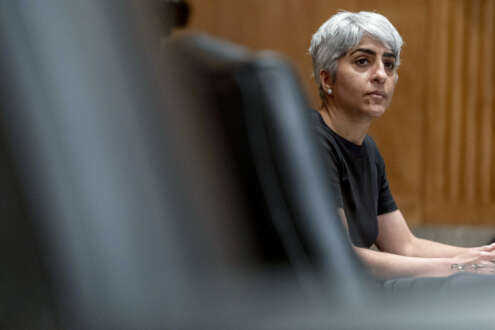
David Cattler, a longtime intelligence official, sees a range of both near- and long-term priorities in his new role as director at DCSA.

David Cattler, a longtime intelligence official, sees a range of both near- and long-term priorities in his new role as director at DCSA.
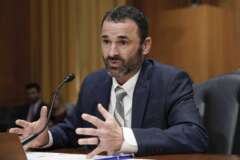

One federal office has turned to employee monitoring technology in recent years, and it's led to a major rift between workers and management.
Over the last three years, customer experience went from buzzword to reality. What’s next? How are agencies elevating the total experience, both for the public and for federal employees?
Join us for the Federal News Network CX Exchange, an exclusive two-day event April 23 and 24.
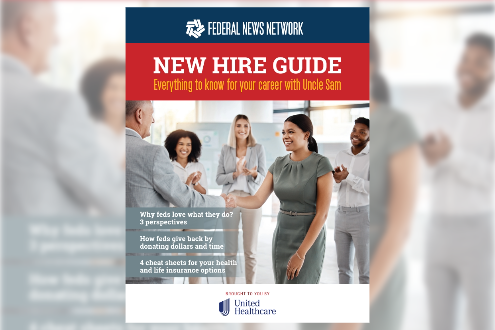
New to civil service? We created this guide to provide insights and pointers to first-time feds. Be inspired by careerists and also get pointers to make the transition to your new job as smooth as possible. (Pssst: It includes health and life insurance cheat sheets too!)
Starting in this year’s Open Season, agencies will be required to validate participant eligibility for a random sample of at least 10% of FEHB enrollments.

A recent update by the Office of Management and Budget aims to give state, local, and tribal governments more autonomy on how they spend federal grant money.

Integrating security into application development is more important than ever given the velocity of cloud applications, so cyber needs to be introduced during dev, explains Palo Alto Network’s David Kubicki.
A new audit looks at how one agency within the Department of Health and Human Services (HHS) manages its cloud computing assets.
TSA Administrator David Pekoske also says the agency wants to hire more security screeners so the workforce can have more flexibilities.

David Lebryk, the fiscal assistant secretary at the Treasury Department, said a new machine learning tool is reducing the chance of fraud from paper checks.







Daily photos of things happening in and around the federal government.