ExclusiveSurvey: Feds question the ‘why’ behind return-to-office push
A Federal News Network survey of 6,300 feds finds leaders’ return-to-office visions aren’t meeting reality for many employees with new in-office requirements.

A Federal News Network survey of 6,300 feds finds leaders’ return-to-office visions aren’t meeting reality for many employees with new in-office requirements.

 Exclusive
One federal office has turned to employee monitoring technology in recent years, and it's led to a major rift between workers and management.
How are agencies elevating the total experience, both for the public and for federal employees?
Join us April 23 and 24 at 1 p.m. ET each day for the Federal News Network CX Exchange, presented by Maximus.
Join us April 25 at 1 p.m. ET for the Federal News Network StateRAMP Exchange to see how StateRAMP continues to evolve and discover how agencies across state governments are moving to the cloud, presented by Carahsoft.
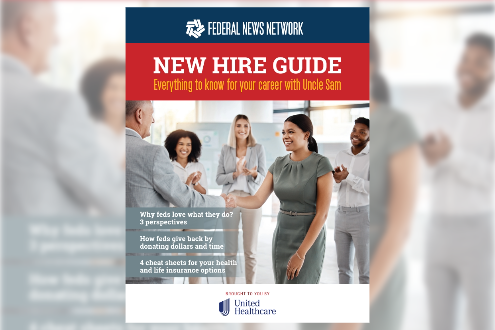
New to civil service? We created this guide to provide insights and pointers to first-time feds. Be inspired by careerists and also get pointers to make the transition to your new job as smooth as possible. (Pssst: It includes health and life insurance cheat sheets too!)

Political appointees begin to depart. In their absence, contractors should prepare for a slowdown in new and innovative project starts.

Defense officials want to demonstrate a new demolition and consolidation concept at five bases over the next three years.

To see how StateRAMP continues to evolve and discover how agencies across state governments are moving to the cloud, join Federal News Network on April 25 for it’s inaugural StateRAMP Exchange, presented by Carahsoft.

There is an event later today, if you are looking to start a business. It is focusing on entrepreneurship for members of the military or their spouses.








Daily photos of things happening in and around the federal government.