Report prescribes pathway for cyber reform without legislation
An independent group's report offers ways for agencies to evolve to continuous monitoring and risk-based approaches to cybersecurity within the existing Federal Information Security Management Act, and proposes more cooperation between CIOs and agency inspectors general.
Carnegie Mellon, NSA seek high school hackers
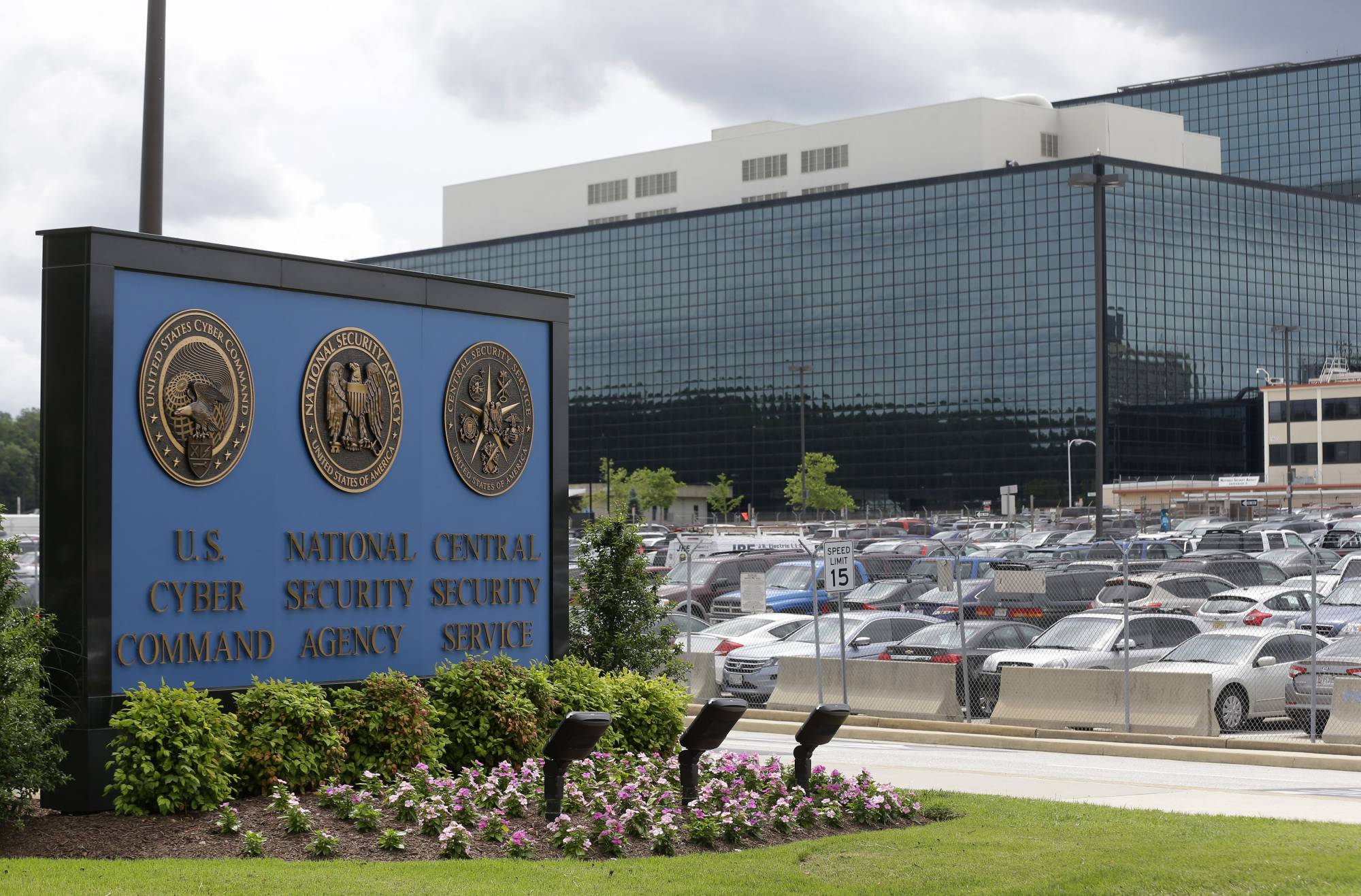
Carnegie Mellon University and one of the government's top spy agencies want to interest high school students in a game of computer hacking.
Air Force looks to reboot civilian cyber workforce
Officials aim to redefine operational series codes for civilian cybersecurity workers and offer more pay for additional expertise. The Air Force would like to create an elite cadre of civilian cyber warriors.
Cyber vulnerability in GSA's SAM portal exposes vendors' data
The agency in an email to contractors said information including social security numbers and bank account information were publicly assessable. GSA is offering credit monitoring services to those affected.
White House employs cross-agency goals to broaden oversight of cyber
Cyber coordinator Michael Daniel released updated goals for TIC, HSPD-12 and continuous monitoring on Performance.gov. He said by adding new goals to the portal, performance improvement officers will pay more attention and influence how agencies meet the targets.
House committee takes third whack at cyber enhancement bill
The House Science, Space and Technology Committee approved two cybersecurity bills this week. Both bills were approved by the House last term, but never came up for a vote in the Senate. That chamber is considering a comprehensive approach to cyber legislation.
DHS cyber executive Weatherford leaving
Mark Weatherford, the National Protection and Programs Directorate (NPPD) deputy undersecretary for cybersecurity, will leave the agency on April 12 after accepting a job in the private sector.
DoD constructing offensive, defensive cyber teams
U.S. Cyber Command is putting together dozens of groups to defend the military's network, to work with combatant commanders on offensive tactics and to respond to attacks against the nation. Gen. Keith Alexander, however, said budget cuts will delay DoD's ability to recruit and train team members.
Agency cybersecurity deficiencies remain as attacks reach all-time high
Federal agencies reported more than 48,000 cyber attacks in 2012 and continue to struggle to defend their networks, according to a new report from the Government Accountability Office. Senators are now renewing their push for comprehensive cyber legislation, which would include an update to FISMA.
Report: VA sent data over unsecured networks
Watchdog says VA sent sensitive patient data over unencrypted networks, posing security risk
As agencies come to terms with cloud security, another barrier emerges
FedRAMP and other initiatives are helping CIOs become more comfortable with securing data and applications in the cloud. But changing the way agencies buy, manage and oversee technology is a bigger roadblock in moving systems to the cloud.
DoD's new plan promises speedy approval of commercial mobile devices
The Pentagon's commercial device implementation plan, made public Tuesday, aims at near-term implementation of a new generation of mobile devices such as iPhones, iPads and Android handhelds and tablets on both classified and unclassified networks.
Federal Drive Interviews -- Feb. 25, 2013
Sen. Chuck Grassley (R-Iowa) is concerned new regulations may make whistleblowers even more reluctant to report tax fraud to the IRS. OMB Controller Danny Werfel says $85 billion in cuts under sequestration would hurt every state. Maj. Gen. Brett Williams says the U.S. Cyber Command is trying to figure how to normalize operations alongside air, land and sea capabilities. Lynn Singleton, director of environmental services at Lockheed Martin, talks about helping agencies move their email to the cloud. Dr. Milton Corn explains why The National Library of Medicine is monitoring social media.
White House seeks to shed the risk-averse cyber information sharing culture
President Obama's recent executive order directing that cyber threat information be shared more broadly with the private sector risks making the data less useful to the intelligence agencies that gather and process it. But the risk is worth the potential reward.
Federal Drive Interviews -- Feb. 22, 2013
Federal Drive Host Tom Temin broadcasted live from the AFCEA DC cybersecurity conference on Friday. He spoke with AFCEA DC President Brian Roach. Also this week the Pentagon has detailed its plans to furlough 800,000 employees unless Congress stops budget cuts. Registered Employee Benefits Consultant Ed Zurndorfer joins us with some tips on navigating sequestration.
Private US firms take major role vs. cyberattacks
China hacking reveals outsourcing to private US firms in international cyberwar
White House announces anti-theft trade strategy
New US effort launched to stem theft of trade secrets; concern about China leads to action
Cybersecurity executive order
On this week's Bloomberg Government Capital Impact show, analysts will discuss the impact of the cybersecurity executive order signed by President Obama.
February 21, 2013
Federal Drive Interviews -- Feb. 20, 2013
Retired Air Force Gen. Chuck Walks talks about what the next Secretary of Defense's first hurdles will be. Bernie Becker, staff writer at The Hill newspaper, discusses a possible Simpson-Bowles sequel.
Federal Drive Interviews -- Feb. 19, 2013
GAO's Mark Gaffigan talks about how the federal government will experience increased fiscal exposure due to climate change. Gary Somerset discusses the GPO's new Pinterest page. On Legal Loop, procurement attorney Joe Petrillo discusses a change in status for the Alaska Native Corporations. John Plaguta of the Partnership for Public Service discusses the critical skills gaps in the federal workplace. Former SEC Chairman Harvey Pitt talks about rule writing in the wake of the Dodd-Frank Wall Street Reform and Consumer Protection Act.