Hubbard Radio Washington DC, LLC. All rights reserved. This website is not intended for users located within the European Economic Area.
On Air: Federal News Network

Need to ‘rally the troops’ stymies spread of telework
Some managers find it difficult to lead employees working outside of the building. But hesitant leaders can find comfort in setting realistic expectations ba...

Federal managers continue to resist the push to let more employees telework, even as the number of people working remotely broke a record in 2011, according to the Office of Personnel Management.
“Participants shared that some managers are used to being able to see their staff members physically working in the office (typically described as line-of-sight management) and that they find comfort in this dynamic,” OPM wrote in its first telework progress report to Congress since the Telework Enhancements Act of 2010 became law.
The report found that 25 percent, or 168,558, of the eligible workforce reported working outside the office at least one day a week. That is up from 10 percent of the eligible workforce in 2009. But still, more than 500,000 eligible federal employees did not telework, partly because of managers who have not embraced the concept.
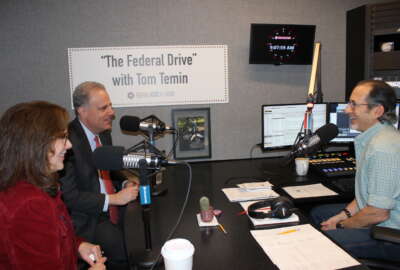
“There is still some pressure on the managers to manage with their eyeballs instead of their brains, unfortunately,” said telework consultant Gil Gordon in an interview with Federal News Radio. 
Managers in organizations with limited resources feel “under the gun [to do more with less],” he said. “And one of the ways that they try to resolve that is the age-old method of just rallying the troops together and putting more pressure on people, which often means getting them physically together even if that has very little to do with the actual work output.”
Agencies should begin measuring performance of employees while they are in the office, said Telework Coalition president Chuck Wilsker.
“If you can measure productivity in the office, then you shouldn’t have trouble measuring actual productivity from home,” he said.
In addition, managers allowing more employees to telework should increase their focus on results, Gordon said.
“Instead of being so concerned about whether or not Charlie is at his desk at 10 o’clock on Tuesday morning,” he said, “the real focus should be, ‘does Charlie have that budget analysis done by 5 o’clock on Wednesday afternoon,’ because that’s really what he’s being paid to do.”
RELATED STORIES
POLL: Who are the problem teleworkers?
Number of federal teleworkers hits all-time high
Ahead of OMB guidance, agencies bring their own strategies to BYOD
Debilitating storm? No sweat for teleworking feds
Obama signs telework bill into law
Copyright © 2024 Federal News Network. All rights reserved. This website is not intended for users located within the European Economic Area.